
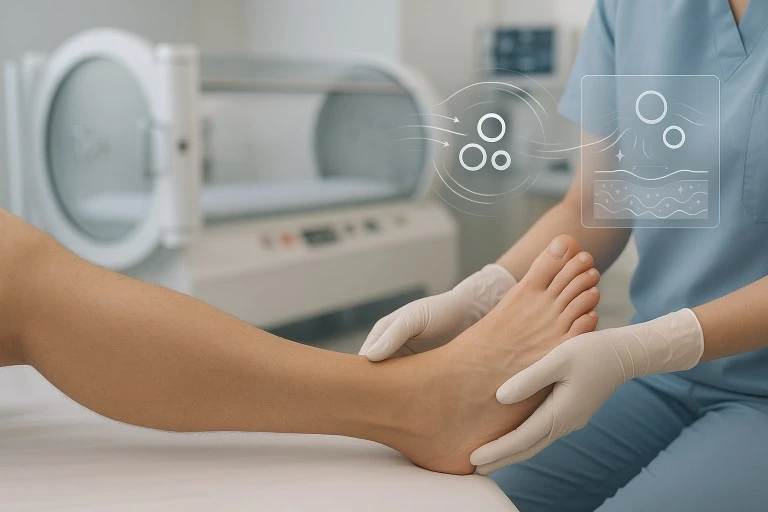
A wound that remains open longer than expected can feel unsettling. A cut, blister, sore, or surgical site should gradually improve. When it does not, the worry often grows. Many people try home remedies or wait for the wound to close on its own. In some cases, this is safe. In others, the delay can allow infection or deeper tissue damage to grow.
Chronic or slow-healing wounds are more common than many realize. Diabetes, circulation problems, pressure injuries, and previous radiation treatment often make healing difficult. The good news is that most non-healing wounds respond well to the right combination of care, early evaluation, and advanced therapies.
At Vayu Advanced Wound Care & Hyperbarics, we help individuals understand why healing has stalled and what steps support safe recovery. This guide explains the causes of non-healing wounds, early warning signs, home care, and advanced options like hyperbaric oxygen therapy and negative pressure wound therapy.
Why Some Wounds Refuse to Heal
Healthy wounds follow a predictable healing cycle or stages. This includes the phases of hemostasis, inflammation, proliferation, and remodeling. When these phases are interrupted, wounds stop progressing. Research published by the National Library of Medicine notes that chronic wounds often remain stuck in the inflammatory stage, where new tissue cannot form effectively.
Several factors disrupt this cycle.
Reduced blood flow
When circulation is weak, the wound receives less oxygen and fewer nutrients. Poor blood flow is common in individuals with arterial disease, venous insufficiency, or swelling in the legs.
Diabetes
High blood sugar affects nerve function and blood vessel health. Injuries may go unnoticed on the feet. Even small wounds can turn into serious ulcers if not monitored carefully.
Pressure or friction
Constant pressure on the heel, ankle, hips, or toes can break down skin. People with reduced mobility or those who stand for long hours are more vulnerable.
Infection
Bacteria in a wound compete with healthy tissue for space and nutrients. Signs of infection include swelling, warmth, discharge, and odor.
Underlying health issues
Obesity, immune system problems, smoking, vascular disease, and previous surgeries or radiation treatments can all slow the repair process.
Understanding why a wound is not healing can help guide the next steps toward better care.
Signs a Wound Needs Medical Attention
Some wounds heal with basic care. Others require intervention. If a wound does not improve within two to three weeks, an evaluation is recommended. Our team sees many patients who waited longer than they should because the wound seemed small at first.
Key warning signs include:
- No improvement after two to three weeks
- Increased redness, pain, or swelling
- A strong smell or discharge
- Darkened or discolored tissue
- Hardened or dead tissue on the wound
- A wound on the foot in someone with diabetes
- Numbness or poor sensation near the wound
- A wound that keeps reopening
- Wounds from radiation therapy or recent surgery that are not closing
These changes suggest that the wound needs expert assessment to prevent infection or tissue damage.
Safe Home Care for Early Wounds
For early-stage wounds without signs of infection, simple steps can support healing.
Clean gently
Use mild soap and clean water. Avoid scrubbing or using strong antiseptics unless directed.
Cover and protect
A sterile dressing keeps the wound clean and reduces contamination. Replace dressings as advised.
Reduce pressure
If the wound is on the foot, heel, or lower leg, limit pressure and friction. Choose soft or open footwear when possible.
Support the body with nutrition
Protein, vitamin C, zinc, and proper hydration help tissue repair.
Manage blood sugar
For individuals with diabetes, stable blood sugar levels play an important role in wound recovery.
Avoid smoking
Nicotine reduces circulation and oxygen delivery, which are essential for wound healing.
If progress stalls despite good home care, advanced treatment may be needed.
Why Some Wounds Need Advanced Care
Non-healing wounds often involve deeper issues not visible on the surface. Circulation problems, nerve damage, infection, or tissue death require medical management. Specialized wound care centers can assess these factors and design a plan that supports safe closure.
During an evaluation, the focus is on:
- Blood flow and oxygen supply
- Signs of infection
- Tissue quality and moisture levels
- Areas of pressure or friction
- Overall health and risk factors
This allows a tailored approach that addresses the underlying cause instead of treating only the surface.
Advanced Treatments That Help Chronic Wounds Heal
At Vayu Hyperbarics, several evidence-based wound therapies are available. These treatments help improve oxygen supply, remove unhealthy tissue, support new tissue growth, and protect the wound as it heals.
Hyperbaric Oxygen Therapy (HBOT)
HBOT involves breathing pure oxygen in a pressurized chamber. This increases the amount of oxygen carried in the blood. Higher oxygen levels help the body form new blood vessels, support collagen production, fight infections, and repair damaged tissue.
Conditions that respond well include:
- Diabetic foot ulcers
- Radiation injuries like radiation cystitis
- Surgical wounds
- Chronic ulcers related to poor circulation
A typical HBOT session lasts between 60 and 110 minutes, depending on the condition being treated. For more details about how HBOT works and what you’ll get from this treatment, follow our guide on hyperbaric chamber benefits.
Negative Pressure Wound Therapy (NPWT)
Negative pressure wound therapy uses controlled suction inside a special dressing. This:
- Removes excess fluid
- Improves blood flow
- Reduces swelling
- Encourages healthy tissue growth
NPWT is often used for deep wounds, surgical sites, and ulcers that drain heavily.
Debridement
Removing dead or infected tissue allows healthy cells to grow. Without this step, many chronic wounds do not progress. Wound Debridement can be gentle or surgical, based on what the wound needs.
Tissue-based products and graft support
Some wounds require extra reinforcement. Tissue products, grafts, or flap procedures can help close larger or complex wounds.
Vascular and pressure assessment
If a wound is on the leg or foot, circulation tests and pressure relief measures help remove obstacles to healing. This may involve special footwear, cushioning, or offloading devices.
A combination of these treatments often leads to better outcomes than a single therapy alone.
What to Expect During a Visit
An appointment includes a careful review of the wound and an assessment of the factors affecting healing. This may involve:
- A physical exam
- Blood flow tests such as ankle brachial index
- Possible culture or imaging if infection is suspected
- A care plan with clear steps for home care and follow up
- Discussion of treatment options like HBOT, NPWT, or debridement
The goal is to support healing in a safe and structured way while helping you understand the process.
When You Should Seek Help Immediately
A wound becomes urgent if:
- Pain increases suddenly
- Redness spreads on the skin
- Fever develops
- The wound turns black or gray
- Swelling rises quickly
- There is foul smelling drainage
- The wound is on a diabetic foot
- The area becomes numb or cold
These signs can indicate infection or circulation problems that require prompt treatment.
How to Prevent Chronic Wounds
Prevention is just as important as treatment. These steps can lower the risk of future wounds:
- Inspect feet and legs daily, especially for individuals with diabetes
- Keep skin moisturized to reduce cracking
- Wear supportive footwear
- Avoid long periods of sitting or standing in one position
- Maintain a healthy diet
- Control blood sugar levels
- Stay physically active to strengthen circulation
- Avoid smoking
Small changes can make a significant difference in overall skin and tissue health.
Conclusion
Non healing wounds are more than a surface problem. They can signal deeper issues that need proper care. Early action reduces complications and improves outcomes. If a wound has not improved within two to three weeks or shows signs of infection, an evaluation is recommended.
Advanced therapies such as hyperbaric oxygen therapy, negative pressure wound therapy, debridement, and tissue support can help stubborn wounds heal safely. With the right guidance and a tailored plan, most chronic wounds can recover.
If you need help understanding why a wound is not healing or want to explore advanced treatment options, our team is here to support your recovery.
Frequently Asked Questions
What makes a wound chronic?
A wound that does not heal within four to six weeks is considered chronic. Poor circulation, infection, diabetes, and underlying health problems are common causes.
Is hyperbaric oxygen therapy safe?
Yes. HBOT is safe when supervised by trained professionals, specifically Hyperbaric Medicine Specialists.
How long does HBOT take?
Most sessions are between 60 and 110 minutes, depending on the treatment plan.
Can chronic wounds heal without surgery?
Many wounds respond well to therapies such as HBOT, NPWT, debridement, and advanced dressings.
When should I see a wound specialist?
If a wound does not improve within two to three weeks or shows signs of infection, a specialist evaluation is recommended.