
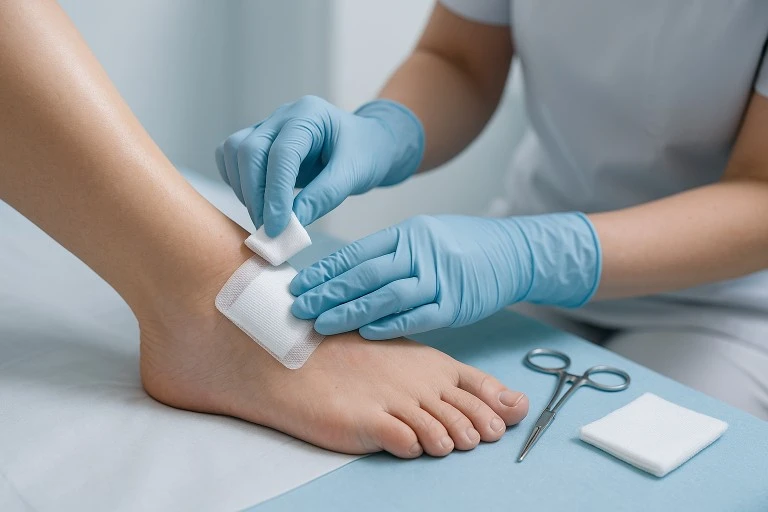
Most wounds heal within a predictable timeframe. When healing slows down or stops, there is usually an underlying reason. At Vayu Advanced Wound Clinic and Hyperbarics, we care for patients every day who are experiencing delayed healing, chronic ulcers, or wounds that keep returning. Understanding the root cause is the first step toward safe and effective recovery.
Below are the seven most common reasons wounds fail to heal and what you can do to support the healing process.
Understanding Chronic Wounds
A chronic wound is a wound that does not move through the normal stages of healing.
Typical wounds close within 2 to 4 weeks. Chronic wounds remain open longer, may worsen over time, or return after initial improvement.
Common chronic wounds include:
- Diabetic foot ulcers
- Venous leg ulcers
- Pressure injuries
- Post-surgical wounds
- Traumatic wounds that do not close properly
When healing stalls, specialized care is essential. Conditions like poor circulation, infection, and diabetes often require advanced therapies such as hyperbaric oxygen therapy (HBOT), debridement, or negative pressure wound therapy.
7 Common Causes of Non-Healing Wounds
1. Poor Circulation
Healthy blood flow delivers oxygen and nutrients that help tissues repair.
When circulation is reduced, healing slows or stops.
Common reasons include:
- Peripheral Artery Disease
- Venous insufficiency
- Swelling that restricts blood flow
Raising the legs, using compression when appropriate, and receiving vascular evaluation can help.
HBOT can also improve oxygen delivery to compromised tissue.
2. Diabetes and High Blood Sugar
Diabetes affects wound healing in several ways:
- High blood sugar delays tissue repair
- Nerve damage reduces sensation, allowing injuries to go unnoticed
- Reduced immunity increases infection risk
Diabetic ulcers often require early intervention, glucose control, offloading techniques, and specialized dressings.
3. Infection
When bacteria enter a wound, the body shifts its energy toward fighting infection instead of building new tissue.
Signs include:
- Redness or warmth
- Pus or drainage
- Fever or increased pain
- Odor from the wound
Prompt care prevents the infection from spreading to deeper tissues or bone.
4. Repeated Trauma or Pressure
This is especially common in:
- Foot ulcers in people with diabetes
- Pressure injuries in people with limited mobility
- Wounds on areas that experience friction
Reducing pressure is essential. Offloading footwear, padding, mobility support, and frequent position changes help the wound stay protected long enough to heal.
5. Underlying Medical Conditions
Certain conditions interfere with the body’s ability to heal:
- Venous insufficiency
- Peripheral Artery Disease
- Autoimmune disorders
- Kidney disease
- Malnutrition
- Poor immune function
These wounds tend to deepen or expand without specialized care.
At Vayu, we evaluate circulation, tissue health, and systemic factors to determine the best treatment approach.
6. Poor Nutrition or Lifestyle Factors
Your body needs adequate nutrients to rebuild tissue.
Healing slows down when there is a lack of:
- Protein
- Vitamin C
- Zinc
- Adequate hydration
Smoking is another major factor. Nicotine reduces blood flow to the skin, increases infection risk, and delays wound closure.
7. Delayed or Improper Wound Care
Common mistakes include:
- Using harsh chemicals that harm healthy cells
- Leaving the wound uncovered when it needs moisture
- Waiting too long to seek medical treatment
- Not cleaning or dressing the wound properly
Consistent, correct care is essential. Advanced wounds often need debridement, infection control, or specialized therapies.
What You Can Do to Help Wounds Heal Faster
You can support wound healing at home with these steps:
- Keep the wound clean and covered
- Maintain good blood sugar control
- Eat protein-rich foods and drink plenty of water
- Stop smoking
- Avoid putting pressure or friction on the wound
- Watch for signs of infection
If a wound does not improve within 2 weeks, it is time to see a wound care specialist.
Advanced Wound Healing Solutions at Vayu
At Vayu Advanced Wound Clinic, Dr. Manju Badam provides comprehensive care for slow-healing and chronic wounds through:
- Hyperbaric Oxygen Therapy (HBOT)
- Surgical and selective debridement
- Negative Pressure Wound Therapy
- Diabetic wound and ulcer management
- Advanced dressings and biologics
If you need specialized care, our referral form is available for patients and providers.
When to See a Wound Care Specialist
Seek professional evaluation if:
- Your wound has not improved in 2 weeks
- Redness, swelling, or drainage increases
- The wound becomes painful or emits an odor
- You have diabetes and develop any foot wound
- The wound keeps reopening
Getting the right treatment early can prevent complications.
Conclusion
Non-healing wounds are a sign that your body needs support. Understanding the underlying cause allows you to get the right treatment sooner and prevent long-term complications.
If your wound is not healing, call 210-651-1112 or schedule an evaluation with Vayu Advanced Wound Clinic and Hyperbarics.
FAQs
1. How long should a wound take to heal?
Most wounds heal within 2 to 4 weeks, but long-standing or complex wounds may take longer.
2. What are the warning signs of a chronic wound?
Redness, swelling, odor, drainage, persistent pain, delayed closure, or repeated infections.
3. Can hyperbaric oxygen therapy speed up healing?
Yes. HBOT increases oxygen levels in tissue and supports faster healing in chronic or compromised wounds.