
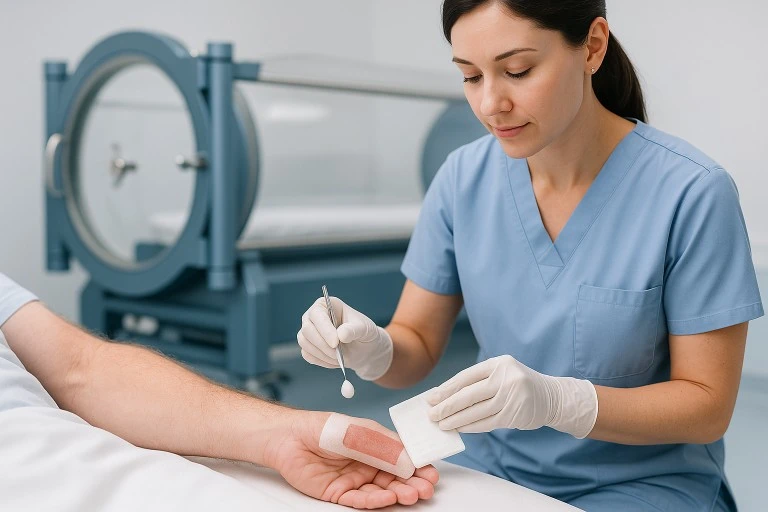
Surgical wounds heal best when they are protected, monitored, and cared for with the right steps. Good wound care after surgery reduces infection risk, speeds up recovery, and helps the incision heal with minimal complications. At Vayu Advanced Wound Clinic, we help patients manage post-surgical wounds every day, especially when healing slows or complications arise.
This guide explains the safest do’s and don’ts of post-operative wound care, what to expect during healing, warning signs to watch for, and when to get professional help.
Understanding the Surgical Wound Healing Process
Surgical wounds move through three primary stages of wound healing. Knowing these stages helps you understand what is normal and what may signal a problem.
Inflammation Stage
Lasts a few days. Redness and mild swelling are normal as the body begins repairing the incision. White blood cells move into the area to fight bacteria and remove debris.
Tissue Formation Stage
Can last several weeks. New tissue, called granulation tissue, fills the wound. Collagen strengthens the wound site as new blood vessels grow.
Remodeling Stage
May last several months. Scar tissue forms and strengthens. Incisions continue to flatten and lighten in color.
Healing times vary based on age, circulation, medical conditions, nutrition, and whether any infection occurs. Most clean surgical wounds close within two to four weeks, but deeper or more complex incisions often need longer. Patients with diabetes, obesity, immune conditions, or vascular disease like PAD may experience slower wound healing after surgery.
Good wound care supports every stage and reduces the risk of chronic wounds or surgical site infections.
The Do’s of Post-Surgical Wound Care
1. Keep Your Incision Clean and Dry
During the first few days, keeping your incision dry is important. Once your surgeon approves it, you can begin gentle cleaning. Use mild soap and water around the incision line and rinse with clean water. Avoid scrubbing or soaking.
Keeping the area clean helps reduce bacterial growth, which is one of the most common causes of delayed wound healing after surgery.
2. Change Dressings Exactly as Directed
Post-surgical dressings protect the incision from bacteria and moisture. Use only sterile materials and follow the schedule your provider recommends. Some wounds need daily changes while others require less frequent care depending on drainage and wound type.
If you need support, refer to Vayu’s patient instructions or call our team for guidance.
3. Watch for Early Signs of Infection
Infections can begin subtly before becoming severe. Contact a specialist quickly if you notice:
- Redness that spreads outward
- Increasing pain
- Warmth around the incision
- Pus or cloudy drainage
- Odor from the wound
- Fever or chills
Early treatment prevents deeper infections and complications like delayed wound healing or the need for debridement.
4. Maintain Proper Nutrition and Hydration
Your body needs nutrients to rebuild tissue. Protein helps form new cells. Vitamin C supports collagen formation. Zinc aids tissue repair. Hydration keeps skin healthy and promotes blood flow to the wound.
Eating balanced meals and drinking adequate water improves healing outcomes significantly.
5. Follow All Scheduled Follow-Up Visits
Post-surgical follow-ups help your wound care specialist monitor progress, remove sutures if needed, and identify early signs of complications. These appointments are especially important for patients with diabetes, poor circulation, or a history of slow wound healing.
At Vayu Advanced Wound Clinic, we guide patients through every phase of recovery with personalized treatment plans that include a consultation with a wound care specialist and advanced therapies like HBOT, Negative Wound Pressure therapy, and more.
The Don’ts of Post-Surgical Wound Care
1. Do Not Touch, Scratch, or Pick at the Wound
Touching the incision with your hands introduces bacteria. Scratching or picking disrupts the healing process and may cause scarring, reopening, or infection.
2. Do Not Ignore Delayed Healing
If your incision is still open after several weeks or appears to be getting worse rather than better, it may be turning into a chronic wound. Issues like poor circulation, infection, diabetes, or pressure can slow healing.
Ignoring delayed healing can lead to deeper infections or tissue breakdown. A wound care specialist can evaluate the cause and recommend treatment.
3. Do Not Use Unapproved Ointments or Home Remedies
Some creams and home remedies trap moisture, block oxygen flow, or irritate tissue. Hydrogen peroxide, alcohol, and iodine can damage healthy skin and delay healing. Always ask your specialist before applying anything new.
4. Do Not Skip Follow-Up Appointments
Follow-ups are not optional in wound care. Missing appointments increases the risk of complications going unnoticed, especially after larger surgeries.
When Surgical Debridement May Be Needed
Surgical debridement removes dead or infected tissue so healthy tissue can grow. It improves blood flow to the wound bed and reduces bacteria. Debridement is often recommended if:
- The wound has hardened or dead tissue
- Healing has stalled
- Drainage becomes thick
- Infection is suspected
Debridement is a safe procedure performed by skilled wound care specialists. At Vayu Advanced Wound Clinic, Dr. Manju Badam performs surgical debridement when needed to support faster and safer healing.
Advanced Wound Care Options at Vayu Advanced Wound Clinic
Some surgical wounds need more than basic home care. Vayu provides advanced treatment options for complex or slow healing wounds.
Hyperbaric Oxygen Therapy (HBOT)
HBOT increases oxygen delivery to tissue, improves blood vessel growth, and supports healing in slow or chronic wounds.
Negative Pressure Wound Therapy (NPWT)
NPWT uses controlled suction to remove excess fluid, decrease swelling, and encourage healthy tissue growth.
Specialized Wound Dressings
Advanced dressings help maintain the right moisture level and protect wounds from infection.
Surgical Debridement and Diabetic Foot Care
Expert management for patients with chronic wounds, diabetic ulcers, and high-risk surgical incisions.
These treatments are available at Vayu Advanced Wound Clinic in San Antonio. Patients can refer to the Vayu Brochure or schedule a consultation for more information.
When to See a Wound Care Specialist
You should seek professional care if:
- Your wound has not improved after two weeks
- Drainage increases or changes color
- Redness or swelling worsens
- There is an odor or rising pain
- The incision reopens
- You have diabetes and notice delayed healing
Advanced care prevents small problems from becoming severe complications. Vayu’s team is trained to manage complex surgical wounds safely.
Conclusion
Proper wound care after surgery is vital for preventing infection, supporting fast recovery, and reducing complications. By following your care instructions and knowing the signs of delayed healing, you protect yourself from long-term issues.
If your surgical wound is slow to heal or showing concerning changes, contact Vayu Advanced Wound Clinic and Hyperbarics at 210-651-1112 for expert evaluation and advanced treatment support.
FAQs
How often should I change my surgical wound dressing?
Change dressings as directed by your wound care provider. Some wounds require daily changes, while others need less frequent dressing updates based on drainage and healing progress.
What are early signs of wound infection after surgery?
Redness, swelling, warmth, pus, odor, increased pain, or fever are common early warning signs.
When should I see a specialist for delayed healing?
If your incision is not improving after two weeks or is worsening, contact a wound care specialist for evaluation.