
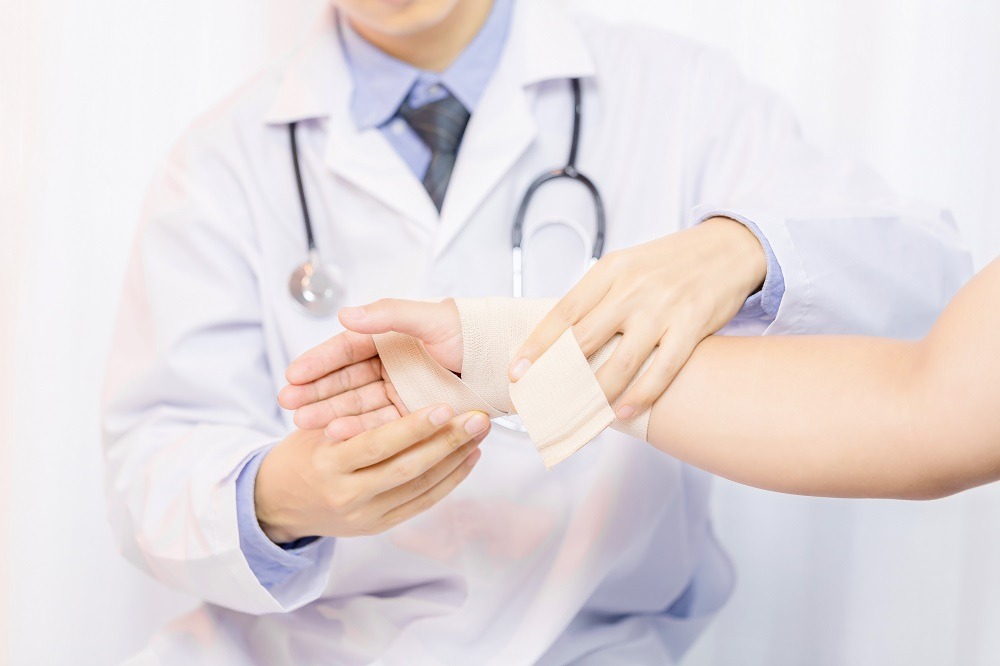
Caring for a wound whether it’s a tiny scrape or a deeper cut can feel a bit overwhelming at first. But once you understand what healthy healing looks like, everything becomes much less intimidating. The human body is genuinely incredible at repairing itself, and knowing the normal signs of progress can give you a huge boost of confidence.
This beginner-friendly guide walks you through the stages of wound healing, the positive signs to look for, and practical ways to support the process. With the right approach and steady care, your body can heal beautifully and efficiently.
Stages of Wound Healing
Wound healing moves through four coordinated stages, each playing a unique part in helping the body recover.
1. Hemostasis
This stage begins within seconds of injury. Blood vessels tighten to slow bleeding, platelets gather, and a clot forms to plug the wound.
This clot works like a temporary shield, preventing more bleeding and blocking bacteria and debris from entering. It sets the stage for every step that follows.
2. Inflammatory Phase
This phase usually lasts four to six days. Your immune system rushes into action, sending white blood cells to clean up bacteria and remove damaged tissue.
You may notice:
- Redness
- Warmth
- Swelling
- Tenderness
These signs can look dramatic to beginners, but they’re usually normal and indicate that your body is actively protecting and cleaning the wound.
3. Proliferative Phase
Lasting several days to around three weeks, this is the rebuilding phase. The body forms granulation tissue fresh, collagen-rich tissue full of tiny blood vessels.
Healthy granulation tissue looks:
- Pink or red
- Soft and slightly bumpy
- Moist
- Uniform in color
A scab may form to protect what’s happening beneath the surface, and you’ll notice the wound edges gradually pulling together.
4. Maturation Phase
This final stage can last weeks to years. The collagen laid down earlier becomes stronger and more organized.
Scars may appear raised or darker at first but fade and flatten over time. Even when the wound looks healed, deeper remodeling continues quietly.
Signs of Healthy Wound Healing
Recognizing these signs can reassure you that healing is on track:
1. Mild Redness & Swelling (Early On)
These should gradually fade after a few days.
2. Gentle Warmth
Mild warmth means your immune system is active but it should not feel hot or increasing.
3. Healthy Granulation Tissue
Pink, moist, slightly bumpy tissue is a top indicator of strong healing.
4. Decreasing Wound Size
Edges slowly pull together as tissue grows.
5. Minimal or Clear Drainage
A little clear or pale-yellow fluid is normal and should decrease over time.
Overall, you want the wound to look cleaner, feel less tender, and show steady improvement.
When to Seek Medical Advice
Reach out to a healthcare provider if you notice:
- Pain that gets worse instead of better
- Spreading redness or persistent swelling
- Thick yellow, green, or foul-smelling discharge
- Fever or body aches
- Sudden slowdown or reversal of healing
- No improvement after several days
If something feels off, it’s always better to get a professional opinion.
Practical Tips for Promoting Healing
A few simple habits can make a big difference:
Keep the Wound Clean
Wash gently once or twice daily with mild, non-irritating soap.
Use the Right Dressing
Moist wound environments heal faster avoid letting wounds dry out unless advised.
Eat Nutrient-Rich Foods
Support healing with:
- Vitamin A
- Vitamin C
- Protein
- Zinc
Stay Hydrated
Hydration supports skin repair and overall recovery.
Avoid Smoking
Smoking reduces oxygen flow and delays healing.
Additional Resources
If you’re exploring advanced wound care, resources like the Vayu Brochure or the Referral Form can help you learn more or connect with professionals.
Conclusion
Understanding the normal signs of wound healing can bring incredible peace of mind. Each stage has its own purpose, and when you know what to look for, it becomes far easier to track your progress especially when recovering from injuries or seeking proper Abscess Treatment.
By keeping the wound clean, staying aware of changes, and reaching out for help when something seems unusual, you’re giving yourself the best chance at a smooth, successful recovery. Your body is designed to heal your job is simply to support the process.
Frequently Asked Questions (FAQ)
Q1. How long does it take for a wound to heal normally?
Ans: Minor wounds often heal within 1–2 weeks, while deeper or larger wounds may take several weeks or even months. Healing speed depends on wound type, location, and your overall health.
Q2. Is scabbing a good sign?
Ans: Yes! A scab is a natural protective barrier. It forms to keep bacteria out and hold moisture in while new tissue forms underneath.
Q3. What color should a healing wound be?
Ans: Healthy wounds often appear pink, light red, or slightly yellowish. Bright red, rapidly spreading redness or dark discoloration may indicate a problem.
Q4. Should I let my wound “air out”?
Ans: Generally, no. Most wounds heal faster in a moist, covered environment. Exposure to air can cause dryness and slow healing.
Q5. Can itching mean the wound is healing?
Ans: Absolutely itching is a common sign that new tissue and nerves are forming. However, avoid scratching to prevent irritation or reopening the wound.