A skin graft becomes necessary when a wound is too large or too deep to close and heal on its own. This can happen with chronic wounds, like venous ulcers, diabetic ulcers, or pressure ulcers that haven’t responded to other treatment, as well as with surgical defects, burns, and trauma. If your doctor has mentioned a skin graft as part of your treatment plan, it’s natural to have questions about what the procedure actually involves and what recovery looks like.
The good news is that skin grafting is a well-established, routine procedure in wound care and plastic surgery, not something experimental or rare. Surgeons have been refining these techniques for well over a century, and today it’s one of the most reliable ways to close a wound that hasn’t been able to heal on its own. Below, we’ll walk through what a skin graft actually is, the two main types, how healing works, what aftercare looks like, and how grafting fits into a broader wound care plan.
What Is a Skin Graft?
A skin graft is a piece of healthy skin surgically removed from one area of the body, called the donor site, and transplanted or attached to another area to help it heal, according to MedlinePlus, the National Institutes of Health’s consumer health resource. This surgery is typically done under anesthesia, so you’re asleep and pain-free during the procedure itself.
Skin grafts are used for large or deep wounds that can’t close on their own. That includes chronic wounds like venous ulcers, diabetic ulcers, or pressure ulcers that haven’t healed with other treatment, as well as surgical defects, burns, and areas of significant skin loss from trauma or infection. In each case, the goal is the same: cover the wound with living tissue that can establish its own blood supply, protect against infection, and allow the area to function normally again.
Types of Skin Grafts
There are two main types of skin grafts, split-thickness and full-thickness, and the right choice depends on the size, depth, and location of the wound being treated.
Split-Thickness Skin Grafts
A split-thickness graft takes the top two layers of skin, the epidermis and part of the dermis, from the donor site. It can cover larger areas than a full-thickness graft, which is why it’s commonly used for more extensive wounds. Most people who need a skin graft receive this type.
The donor site is typically a less visible area, like the buttock or inner thigh, and it heals on its own within about three to five days, covered by a sterile dressing during that time. One thing worth knowing: split-thickness grafts often appear smoother or paler than the surrounding skin, since they lack some of the deeper skin structures, like hair follicles and sweat glands, that full-thickness grafts retain.
Full-Thickness Skin Grafts
A full-thickness graft uses the entire thickness of skin from the donor site, both the epidermis and the full dermis. It’s a more involved procedure than split-thickness grafting, but it offers a better cosmetic and functional match to the surrounding skin. That’s why it’s often preferred for visible or mobile areas, like the face, hands, or areas near joints, where appearance and flexibility matter more.
Common donor sites for full-thickness grafts include the chest wall, neck, back, or abdominal wall, areas that can be closed directly after the donor skin is removed.
How Long Does It Take for a Skin Graft to Heal?
A skin graft begins establishing its own blood supply, through a process called neovascularization, within 48 to 72 hours. Full circulation to the graft typically develops within about a week. Complete healing, where the graft fully settles into place, generally takes several weeks beyond that initial period.
It’s worth separating two different timelines here. The donor site, where skin was taken from, usually heals within three to five days under a sterile dressing. The graft site itself takes longer, its healing depends on the type of graft used, the size of the wound, your overall health, and how well the wound bed was prepared before grafting took place. Split-thickness grafts generally settle faster than full-thickness grafts, simply because they’re thinner and require less tissue to fully integrate.
Proper preparation of the wound bed before grafting plays a real role in how smoothly this process goes, which is part of why grafting is often just one step within a larger treatment plan rather than a standalone procedure.
Skin Graft Aftercare
The early healing period is when a graft is most vulnerable, so protecting it from pressure, friction, and movement matters more than almost anything else you can do. A graft that shifts before its blood supply is established has a much harder time taking hold successfully.
Keep the area clean and follow your care team’s dressing change instructions exactly as given, rather than improvising based on what seems reasonable. If you smoke, this is a good time to stop or cut back as much as possible: nicotine constricts blood vessels and can significantly slow or impair graft healing by reducing blood flow to the area, a modifiable factor that’s genuinely within your control.
Knowing what normal healing looks like, versus what’s a warning sign, helps you know when a quick check-in with your care team is worthwhile.
Signs a Skin Graft Isn’t Healing Properly
While most grafts heal well with proper care, it helps to know what to watch for. Contact your care team promptly if you notice:
- Increasing redness, swelling, or warmth around the graft
- Pus or a foul odor coming from the site
- The graft appearing dark, black, or separated from the surrounding skin
- Fever
Grafts sometimes don’t take fully for a few reasons: infection, inadequate blood supply reaching the area, or movement of the graft during that critical early healing window. None of these are automatically emergencies, they’re typically things your care team monitors for and manages directly. Catching a problem early simply allows for faster intervention and a better outcome, which is exactly why reporting these signs promptly matters more than trying to wait and see.
How Skin Grafts Fit Into a Complete Wound Care Plan
A skin graft is often one part of a larger treatment plan, not a standalone fix. Getting a wound ready for grafting, and supporting it afterward, usually involves more than the graft procedure alone.
Many wounds need surgical debridement first, removing dead, damaged, or infected tissue to prepare a clean, healthy wound bed. A graft placed on a poorly prepared wound bed has a much harder time succeeding, so this step is often what determines whether grafting will work well in the first place.
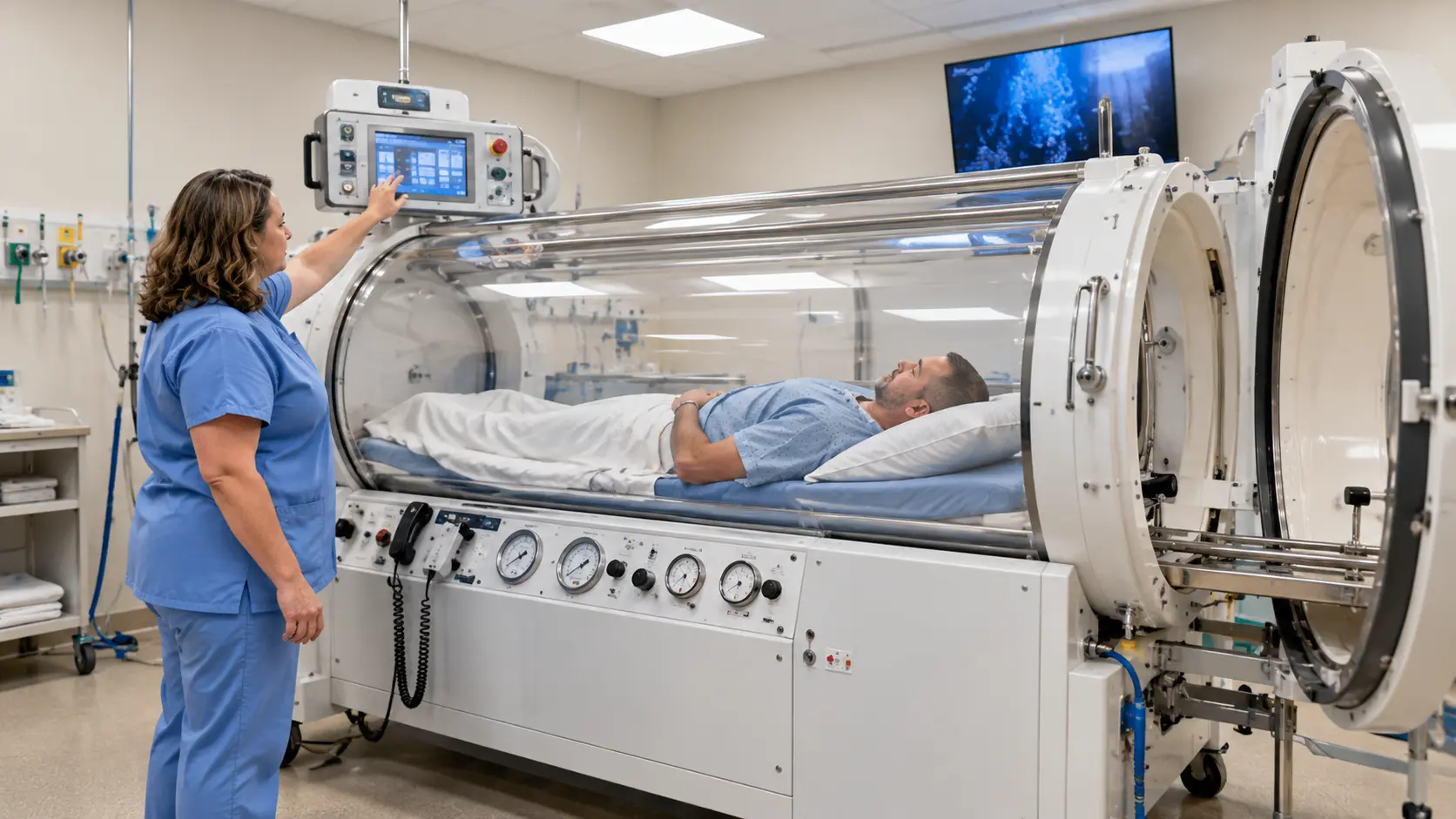
Hyperbaric oxygen therapy can also play a role in supporting graft viability. By increasing the amount of oxygen your blood carries, HBOT helps deliver more oxygen directly to healing tissue, which can support the graft as it establishes blood supply and settles into place.
For the underlying chronic wounds that sometimes lead to a graft in the first place, ongoing care matters too. Conditions like venous ulcers and wounds related to diabetic foot care often need continued management even after a graft has healed, to reduce the chance of new wounds developing down the road.
At Vayu Advanced Wound Clinic and Hyperbarics in San Antonio, TX, Dr. Badam and our clinical team build individualized treatment plans that account for all of these pieces together, rather than treating a graft as an isolated procedure disconnected from everything else going on with your wound.
If you have a wound that hasn’t responded to other treatment, or you’ve been told a skin graft may be part of your care, our team at Vayu Advanced Wound Clinic and Hyperbarics in San Antonio can help you understand your options. Book a consultation to get a clear, personalized plan.
Frequently Asked Questions
Q1. What is a skin graft?
A skin graft is healthy skin surgically taken from one part of the body and transplanted to cover a wound that can’t close or heal on its own, commonly used for chronic wounds, burns, and surgical defects.
Q2. What’s the difference between a split-thickness and full-thickness skin graft?
Split-thickness grafts cover larger areas and use the top two layers of skin. Full-thickness grafts use the entire skin thickness and offer a better cosmetic match, often used in visible areas like the face or hands.
Q3. How long does a skin graft take to heal?
Blood supply begins establishing within 48 to 72 hours, full circulation develops within about a week, and complete healing takes several weeks, depending on the individual case and how the wound bed was prepared.
Q4. How do I know if my skin graft isn’t healing properly?
Watch for increasing redness, swelling, warmth, pus, odor, or the graft appearing dark or separated from surrounding skin. Report any of these to your provider promptly rather than waiting to see if they resolve.
Q5. Do skin grafts leave a scar?
Yes, some scarring is expected at both the graft site and the donor site. The extent depends on the graft type used and how the individual heals.