
Living with a wound that refuses to heal is more than a medical inconvenience. It often dictates your daily routine, limits your mobility, and creates a constant cycle of discomfort and anxiety. Chronic wounds, particularly those stemming from diabetes or circulatory issues, significantly impact quality of life and carry the underlying risk of severe infection.
At Vayu Advance Wound Clinic & Hyperbarics, we utilize hyperbaric oxygen therapy (HBOT) as a sophisticated, evidence-based intervention for these complex cases. This isn’t a “wellness trend” but a rigorous clinical treatment designed to provide your body with the one element it needs most for repair: pure, high-pressure oxygen.
What Is Hyperbaric Oxygen Therapy?
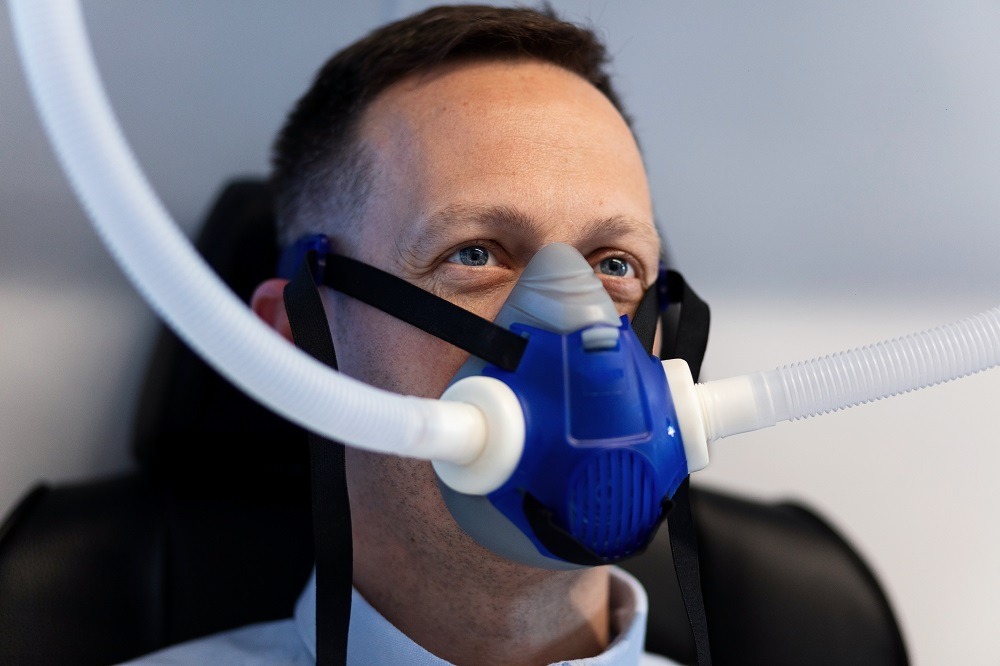
Hyperbaric oxygen therapy is a specialized medical treatment where a patient breathes 100% pure oxygen while inside a pressurized chamber. Under normal atmospheric conditions, we breathe about 21% oxygen. In a hyperbaric environment, the air pressure is increased to two or three times higher than normal.
How HBOT Differs from Standard Oxygen Therapy
Standard oxygen therapy involves breathing supplemental oxygen through a mask or nasal cannula at normal room pressure. While helpful for lung conditions, it relies entirely on red blood cells to carry oxygen. HBOT is different because the high pressure forces oxygen to dissolve directly into all body fluids, including blood plasma and cerebral spinal fluid. This allows oxygen to reach damaged tissues that have poor blood supply.
The Hyperbaric Chamber Environment
The hyperbaric chamber is a clear, pressurized tube or room. During a session, you simply relax, watch a movie, or nap. As the pressure increases, you might feel a sensation in your ears similar to what you experience during a flight takeoff or landing.
How Hyperbaric Oxygen Therapy Supports Wound Healing
For a wound to heal, the body requires a massive surge of energy and nutrients. Oxygen is the primary fuel for this process. When circulation is compromised, the “fuel” cannot reach the “engine.”
Hyperbaric oxygen therapy for wound healing addresses this by:
- Saturating Damaged Tissues: By dissolving oxygen into the plasma, HBOT delivers up to 15 times the normal amount of oxygen to the wound site.
- Angiogenesis (New Blood Vessel Formation): High oxygen levels signal the body to grow new capillaries, creating a permanent supply line for nutrients.
- Collagen Synthesis: Oxygen is a required co-factor for the formation of collagen, the “scaffolding” of new skin and tissue.
- Reducing Inflammation: HBOT constricts certain blood vessels to reduce swelling while simultaneously maintaining high oxygen levels.
- Boosting Immune Response: Hyperbaric levels of oxygen strengthen white blood cells, allowing them to kill bacteria more effectively and fight off stubborn infections.
Wounds That Benefit Most from Hyperbaric Oxygen Therapy
HBOT is rarely a first-line treatment for a simple scrape, but it is a “gold standard” for complex, non-healing wounds. Clinical research from the National Institutes of Health (NIH) supports its use for:
- Diabetic Foot Ulcers: Specifically those that have not responded to 30 days of standard care.
- Chronic Bone Infections (Osteomyelitis): Where traditional antibiotics struggle to reach the site.
- Radiation-Induced Tissue Injuries: Damage to skin or bone following cancer radiation therapy.
- Crush Injuries: Where blood flow is severely restricted due to trauma.
- Failed Skin Grafts or Flaps: To ensure the newly transplanted tissue survives.
Benefits of Hyperbaric Oxygen Therapy for Patients
Clinical Benefits
The primary goal of HBOT is the preservation of limb and function. By stimulating advanced wound healing therapy, patients see:
- A significantly faster rate of wound closure.
- A marked reduction in the risk of infection and amputation.
- Clearer infection control in “oxygen-starved” tissues.
Overall Health Benefits
The benefits of hyperbaric oxygen therapy extend beyond the wound itself. Patients often report:
- Improved systemic circulation.
- Lowered levels of chronic inflammation.
- A more robust recovery process that prevents wound recurrence.
What Happens During a Hyperbaric Oxygen Therapy Session?
Transparency is key to a comfortable patient experience. Your journey begins with a thorough medical evaluation at Vayu Advance Wound Clinic & Hyperbarics to ensure you are a safe candidate for the chamber.
- Preparation: You will change into 100% cotton clothing to meet safety standards.
- Compression: Once inside, the pressure gradually increases over 10 to 15 minutes.
- Treatment: You remain at the prescribed pressure for 60 to 90 minutes. You can communicate with our staff at any time through an intercom.
- Decompression: The pressure is slowly lowered, and you are free to resume your day. There is no “downtime” or grogginess after a session.
Hyperbaric Oxygen Therapy vs. Traditional Wound Care
Standard wound care focuses on cleaning, debriding, and dressing a wound. While essential, these methods are “top-down.” HBOT is a “bottom-up” approach. It fixes the internal biological deficit that prevented the standard care from working in the first place. We use HBOT as a powerful adjunct to traditional care, ensuring every angle of recovery is covered.
How Many HBOT Sessions Are Needed for Wound Healing?
Consistency is the most important factor in seeing results. Because HBOT works by triggering biological changes like blood vessel growth, the effects are cumulative.
- Minor complications: May require 10 to 20 sessions.
- Chronic or diabetic wounds: Often require 30 to 40 sessions.
Treatments are typically scheduled once daily, five days a week.
Is Hyperbaric Oxygen Therapy Safe?
HBOT is an FDA-recognized medical treatment. While it is extremely safe, it must be performed under medical supervision. The most common side effect is “ear barotrauma,” which is the same ear-popping sensation you feel on a plane.
Certain conditions, such as an untreated collapsed lung, may disqualify a patient from treatment. This is why our clinical team conducts a rigorous pre-screening process.
Finding Hyperbaric Oxygen Therapy Near You
When searching for a hyperbaric chamber near me, it is vital to choose a clinical facility rather than a “wellness spa.” Medical-grade chambers must be operated by certified technicians and overseen by physicians specialized in wound care.
For those looking for hyperbaric oxygen therapy near me in the region, Vayu Advance Wound Clinic & Hyperbarics provides hospital-grade technology in a comfortable, specialized outpatient setting.
Why Choose Vayu Advance Wound Clinic & Hyperbarics?
We don’t just “apply” oxygen. We manage the entire healing ecosystem. Vayu Advance combines:
- Specialized Expertise: Our team focuses exclusively on complex wound healing and hyperbaric medicine.
- Advanced Hyperbaric Chamber Technology: Ensuring maximum comfort and safety for every patient.
- Personalized Treatment Plans: Tailored to your specific medical history and healing progress.
- Multidisciplinary Medical Approach: We coordinate with your primary doctors to ensure a unified treatment plan.
When to Consult a Wound Healing Specialist
If you have a wound that has shown no improvement in two weeks or has not fully healed in four weeks, you should seek a specialist. Watch for signs of:
- Increasing redness or heat around the wound.
- Dark or “dead-looking” tissue.
- Numbness or a foul odor.
Conclusion
Hyperbaric Oxygen Therapy is a bridge between chronic suffering and active recovery. By utilizing the power of pressurized oxygen, we can restart the healing process in wounds that have been stalled for months or even years. If you are struggling with a non-healing wound, contact Vayu Advance Wound Clinic & Hyperbarics today to schedule an evaluation.
FAQs
Q1. How does hyperbaric oxygen therapy help wounds heal faster?
It provides the high levels of oxygen necessary for collagen production and new blood vessel growth, while also giving the immune system the tools to fight infection more aggressively.
Q2. Is hyperbaric oxygen therapy painful?
No. The only sensation is the pressure in your ears during the first few minutes, which can be relieved by swallowing or yawning.
Q3. How long does it take to see results from HBOT?
While cellular changes begin immediately, visible wound closure usually becomes apparent after the first 10 to 15 sessions.
Q4. Is hyperbaric oxygen therapy covered by insurance?
Yes, most major insurance providers and Medicare cover HBOT for specific “approved indications,” including diabetic foot ulcers and chronic bone infections.
Q5. Can HBOT be combined with other wound treatments?
Absolutely. In fact, it is most effective when used alongside specialized dressings, nutritional support, and proper wound cleaning.