
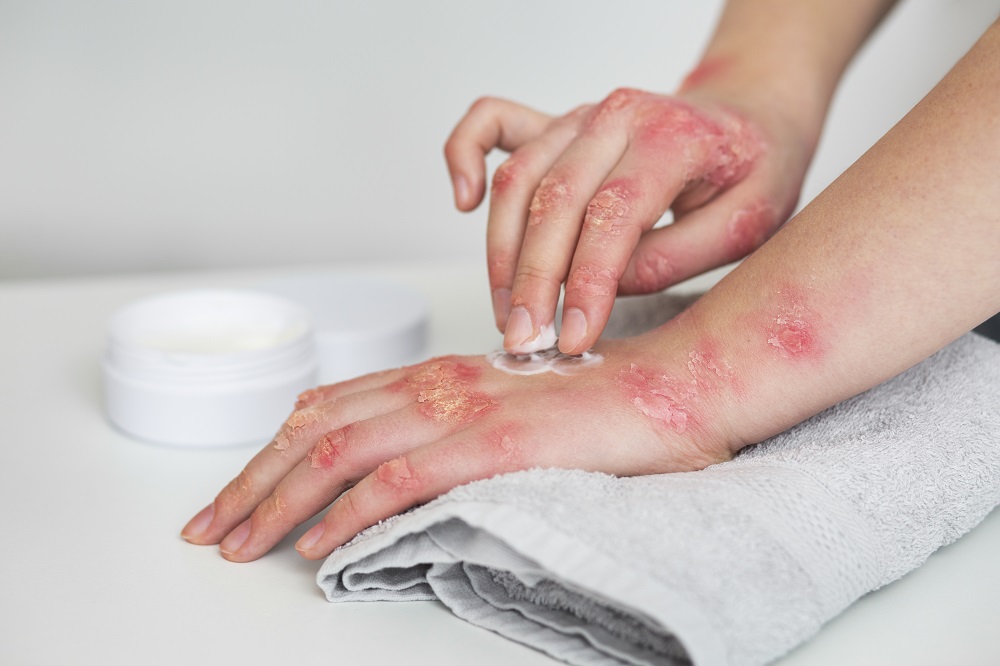
Experiencing a burn can be unexpectedly painful—sometimes frightening—and it’s completely natural to look for gentle, effective ways to ease the discomfort. The good news is that nature offers a remarkable selection of soothing options, and with thoughtful care, many minor burns can heal beautifully. This expanded guide dives deeper into the science behind burns, explores natural approaches in more detail, and highlights ways to support healthy skin recovery with confidence and compassion.
Understanding Burns and Their Immediate Care
Before diving into home-based remedies, it’s essential to understand what’s actually happening when the skin is burned. Burns are generally categorized into three levels of severity:
First-degree burns
These affect only the epidermis (outer layer of skin). They usually appear red, warm, and painful but don’t blister.
Second-degree burns
These reach the dermis and can cause blistering, swelling, and more significant discomfort.
Third-degree burns
These penetrate deeper layers of tissue and require urgent medical attention, often from a Wound Care Physician.
Most natural remedies are appropriate only for minor, first-degree burns. Anything more severe—especially burns affecting large areas, the face, or joints—should be evaluated by a professional to prevent complications.
When a burn first occurs, the body begins an inflammatory response instantly, and acting promptly can make a meaningful difference in comfort and healing.
Initial Treatment Steps
1. Cool the Burn
Gently running cool (not ice-cold) water over the affected area for several minutes can help dissipate heat from the skin’s surface. This soothing step helps reduce warmth, redness, and discomfort while supporting the body’s natural healing cascade.
2. Keep It Clean
After cooling, cleaning the area with mild soap and water helps remove surface debris. It’s important to avoid scrubbing or using harsh cleansers, as the skin is at its most vulnerable.
3. Skip the Ice
Ice may seem like a go-to for injuries, but on burns, it can irritate and potentially slow recovery by stressing sensitive tissue.
These simple early actions lay the foundation for everything that comes next.
Natural Remedies for Soothing Burns
Nature provides a rich toolkit of gentle, nurturing ingredients that can offer comfort and support the recovery process. While these are not substitutes for professional care when needed, they can be incredibly helpful for mild burns.
Utilizing Household Ingredients
Aloe Vera Gel
Aloe vera is practically iconic when it comes to soothing burns—and for good reason! The gel inside the leaf is rich in polysaccharides and antioxidants that support moisture retention and ease the tense, warm sensation associated with minor burns. Fresh gel from the leaf is often the most nourishing.
Honey
Raw, unprocessed honey offers natural antimicrobial properties. Many people find it comforting because it creates a protective barrier on the skin and provides a moist environment that supports recovery.
Lavender Oil
Lavender essential oil, when diluted properly in a carrier oil, is known for its calming scent and its gentle reputation in skin care. Many people appreciate its relaxing aroma as much as its ability to reduce discomfort.
Herbs and Plants
Nature’s pharmacy includes many plants traditionally used to calm irritated skin:
Calendula
Celebrated for centuries, calendula offers properties that help the skin feel more comfortable during the healing phase. It is often found in salves and ointments for minor irritations.
Comfrey
Admired in herbal traditions, comfrey leaves have been used to support surface-level skin recovery. Its soothing reputation makes it a common ingredient in natural balms.
Chamomile
Chamomile tea compresses are a time-honored way to bring gentle comfort to delicate skin. Its warm, floral aroma and calming constituents can help ease tension and redness.
These botanical allies can be used individually or as part of a well-rounded natural care routine.
Promoting Skin Healing After Burns
Once the immediate discomfort subsides and the area begins to settle, the next phase focuses on nurturing the skin so it can recover beautifully. Skin healing is gradual and responsive to consistent care.
Proper Skin Care
Moisturization
Keeping the area hydrated is especially important. Natural oils such as coconut, olive, or jojoba oil can offer a smooth, protective layer that helps maintain moisture. Botanically based salves or creams can also be soothing and comforting.
Gentle Cleansing
As new skin forms, the area may become more sensitive. Gentle cleansing helps keep the skin fresh without disrupting its natural protective processes. Avoid overwashing, as it may lead to dryness or irritation.
Advanced Natural Techniques
For those exploring more advanced or holistic approaches, several therapies are known for supporting the body’s natural repair processes. These should be guided by trained professionals, especially when burns are more than superficial.
Hyperbaric Oxygen Therapy
This therapy elevates oxygen levels in tissues, which can support regeneration. Higher oxygen levels may encourage the body’s natural healing processes in more complex situations.
Platelet-Rich Plasma (PRP) Treatments
PRP therapy involves concentrating elements of a person’s own blood to support skin renewal. It’s an exciting area of regenerative care, often explored for cosmetic and restorative purposes.
While these methods are not “home remedies,” they offer valuable options for anyone seeking a comprehensive, natural-forward approach under proper supervision.
Additional Tips for Long-Term Healing
- Sun Protection: New skin is extremely sensitive, so shielding it from sun exposure can prevent discoloration.
- Hydration: Drinking enough water helps skin maintain elasticity and comfort.
- Nutrition: Foods rich in vitamins C and E, omega-3s, and antioxidants support skin health from within.
- Gentle Massage: Once the area has healed completely, light massage with natural oils may support flexibility and comfort.
Conclusion
Healing from a burn can feel overwhelming at first, but your body is incredibly resilient—and natural remedies can offer wonderfully soothing support along the way. From aloe vera to chamomile, gentle oils to calming compresses, nature provides a spectrum of comforting options, especially when you understand how to clean a wound properly to support healing and reduce the risk of irritation.
While minor burns can often be managed at home with thoughtful care, it’s always important to stay attentive to your body’s signals. If a burn is persistent, unusually painful, or shows signs of infection, a healthcare professional can offer guidance to ensure safe and complete healing.
With mindful attention, consistent care, and the nurturing gifts of nature, recovering from a minor burn can be a calm, empowered, and beautifully restorative experience.
Frequently Asked Questions
Q1. What types of burns can be safely treated at home?
Ans: Minor first-degree burns and very small, superficial second-degree burns can be cared for at home. Burns that are large, blistered extensively, or located on sensitive areas should be evaluated by a medical professional.
Q2. Why shouldn’t I use ice on a burn?
Ans: Ice can constrict blood vessels and damage delicate tissue, potentially slowing healing. Cool running water is a safer, more soothing option.
Q3. Is aloe vera safe for all burns?
Ans: Aloe vera is excellent for minor burns but should not be used on deep or severe burns. Serious burns always require medical evaluation.
Q4. Can I apply essential oils directly to a burn?
Ans: No—essential oils must be diluted in a carrier oil first. Applying them directly can irritate sensitive skin.
Q5. Does honey really help with burn healing?
Ans: Raw honey has natural antimicrobial and moisture-preserving properties, making it soothing for minor burns. It should be used only on clean skin.