
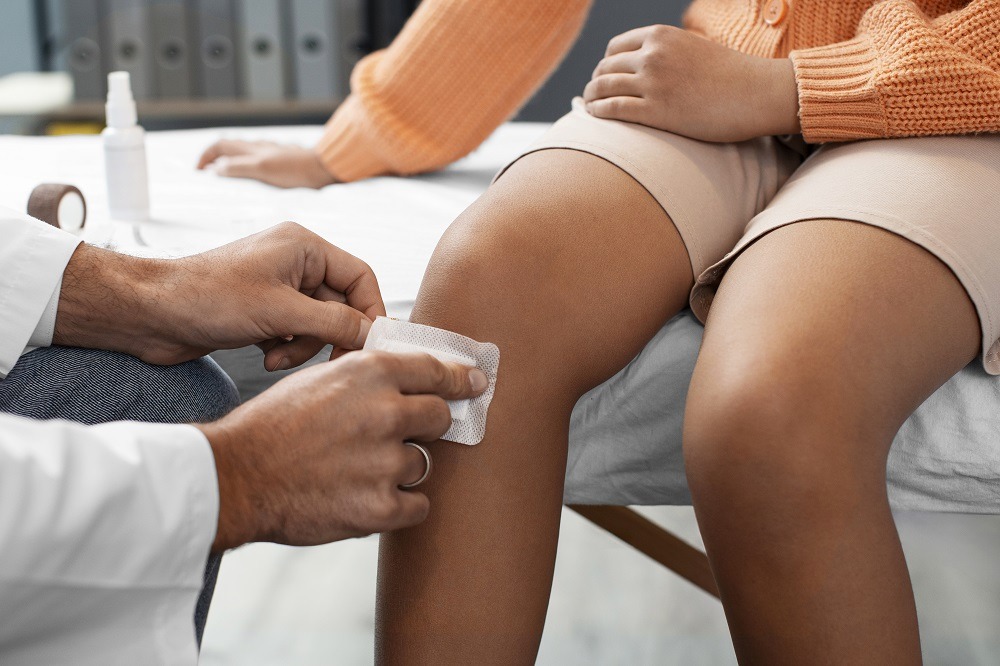
A non-healing wound on the lower leg is more than just a surface-level injury; it is often a signal of a deeper vascular struggle. At Vayu Advanced Wound Clinic & Hyperbarics, we specialize in venous ulcer care, utilizing years of clinical experience to manage these complex, often painful wounds.
Venous ulcers are the most common type of chronic leg wound, affecting millions of people. Treating them requires more than just a bandage; it requires a comprehensive, patient-centered approach that combines advanced wound technologies with evidence-based medical protocols.
What Is a Venous Ulcer?
A venous ulcer is a chronic, open sore that typically develops on the lower leg or around the ankle. These wounds are the direct result of chronic venous insufficiency (CVI), a condition where the veins in the legs have trouble sending blood back to the heart.
When vein valves fail, blood “pools” in the lower leg (venous stasis). This buildup creates high pressure in the veins, causing fluid to leak into the surrounding skin tissue. Over time, this fluid buildup leads to inflammation and skin breakdown, eventually forming an ulcer.
How they differ:
- Venous Ulcers: Found near the ankle; usually shallow with irregular borders and heavy drainage.
- Arterial Ulcers: Found on toes or feet; usually deeper with a “punched-out” look due to lack of oxygenated blood.
- Diabetic Ulcers: Primarily found on pressure points of the foot, often complicated by neuropathy.
Causes of Venous Ulcers
Understanding the “why” behind the wound is critical for venous insufficiency ulcer treatment. The primary cause is valve dysfunction within the veins, but several factors increase your risk:
- Varicose Veins: Swollen, twisted veins are a primary sign of poor circulation.
- Obesity and Aging: Both place significant strain on the vascular system.
- History of DVT: Deep vein thrombosis can permanently damage leg valves.
- Lifestyle: Prolonged standing or sitting hinders the “calf muscle pump” that moves blood upward.
Signs and Symptoms That Require Medical Attention
Early intervention is the key to preventing a minor sore from becoming a chronic venous ulcer. Seek medical care if you notice:
- Open, slow-healing wounds (not improved in 2 weeks).
- Skin Discoloration: A reddish-brown or “stained” appearance (hemosiderin staining).
- Swelling (Edema): Heaviness or tightness in the legs that worsens at the end of the day.
- Infection Signs: Foul odor, yellow/green drainage, or increased warmth and redness.
How to Treat Venous Ulcers: Medical Care Explained
At a specialized clinic, venous ulcer treatment options are layered to address both the wound and the underlying vascular pressure.
Initial Medical Evaluation and Diagnosis
Treatment begins with a thorough vascular assessment. We often use Doppler ultrasound to map the blood flow in your legs and identify exactly where the valves are failing. This allows us to create a targeted venous ulcer management plan.
Venous Ulcer Treatment Options Used by Specialists
- Compression Therapy: This is the “gold standard.” By applying controlled pressure via wraps or stockings, we assist the veins in moving blood upward, reducing the internal pressure that caused the ulcer.
- Debridement: Removing dead or infected tissue from the wound bed to jumpstart the body’s natural healing process.
- Advanced Wound Dressings: Modern dressings maintain a “moist wound environment” while managing excess drainage.
- Infection Control: Use of topical or systemic antibiotics if the wound shows signs of bacterial colonization.
Venous Ulcer Wound Care and Daily Management
Patient compliance at home is just as important as the care received in the clinic. Effective venous ulcer wound care involves:
- Cleaning: Using saline or a mild cleanser as directed by your specialist.
- Moisture Balance: Ensuring the dressing isn’t too dry (which stalls healing) or too wet (which causes skin maceration).
- Elevation: Keeping legs above the heart for 30 minutes several times a day to gravity-assist blood flow.
- Nutrition: A diet high in protein, Vitamin C, and Zinc is essential for tissue regeneration.
Chronic Venous Ulcer Treatment for Non-Healing Wounds
When a wound fails to heal through standard methods, it is classified as a chronic ulcer. At Vayu, we employ advanced therapies such as:
- Hyperbaric Oxygen Therapy (HBOT): Breathing 100% oxygen in a pressurized chamber increases the oxygen levels in the wound tissue, stimulating healing even in areas with poor circulation.
- Skin Substitutes: Bio-engineered tissue grafts that provide a scaffold for new skin to grow.
Venous Ulcer Treatment Guidelines
Specialists follow the venous ulcer treatment guidelines established by organizations like the Society for Vascular Surgery. These protocols emphasize:
- Consistent Compression: Healing is rarely successful without it.
- Progress Monitoring: If a wound does not shrink by 40% in four weeks, the treatment plan must be re-evaluated.
- Interventional Referral: If CVI is severe, we may recommend minimally invasive procedures (like endovenous laser ablation) to close off the diseased veins.
Healing Timelines and Preventing Recurrence
How Long Does Healing Take?
Average healing time for a venous ulcer is 3 to 4 months, though severe cases can take longer. Recovery depends heavily on the patient’s ability to maintain compression therapy and manage underlying health conditions like diabetes or heart disease.
Preventing Recurrence
Once the wound is closed, the underlying venous disease remains. To prevent the ulcer from returning:
- Wear compression stockings daily.
- Maintain a healthy weight to reduce leg pressure.
- Attend regular follow-ups with your wound specialist to catch skin changes early.
Why Choose Vayu Advanced Wound Clinic & Hyperbarics?
We don’t just treat the wound; we treat the patient. Our multidisciplinary approach ensures that your chronic venous ulcer treatment is backed by the latest vascular research and hyperbaric technology. Our goal is to return you to a life of mobility and comfort.
Conclusion: A Path to Lasting Healing
Managing a venous ulcer is a journey that requires patience, expertise, and a commitment to addressing the root cause of the wound. While these ulcers can be persistent and painful, they are not a condition you have to face alone. By combining advanced medical treatments—like hyperbaric oxygen therapy and specialized debridement—with consistent at-home compression therapy, most patients can achieve complete healing and significantly improve their quality of life.
At Vayu Advanced Wound Clinic & Hyperbarics, our mission is to move beyond temporary fixes. We focus on long-term vascular health to ensure that once your wound heals, it stays closed.
Don’t let a “simple sore” become a life-altering complication. If you or a loved one are struggling with leg swelling, skin discoloration, or a non-healing wound, early intervention is your best defense against chronic infection.
FAQs:
Q1. What is the most effective treatment for venous ulcers?
Compression therapy is widely considered the most effective treatment, as it addresses the underlying cause, high venous pressure.
Q2. How often should venous ulcers be treated by a doctor?
Most patients require weekly visits for debridement and specialized dressing changes until the wound shows significant progress.
Q3. Can venous ulcers heal without medical treatment?
Unlikely. Because the underlying cause is a circulation failure, these wounds typically worsen or become infected without professional intervention.
Q4. What happens if venous ulcers are left untreated?
Untreated ulcers can lead to cellulitis (skin infection), osteomyelitis (bone infection), or, in extreme cases, amputation.
Q5. Are venous ulcers a lifelong condition?
The tendency for ulcers is lifelong because venous insufficiency is chronic. However, with proper management and compression wear, you can keep your skin healthy and ulcer-free.